
Manifestation has long been associated with spirituality and self-help, often portrayed as a mystical process of attracting desires through positive thinking. However, modern science offers a grounded explanation for how manifestation actually works. By examining neuroscience, psychology, and physics, it becomes clear that manifestation is not magic—it’s a combination of mental focus, behavioral alignment, and energy dynamics that shape perception and action.
Understanding Manifestation Beyond the Myths
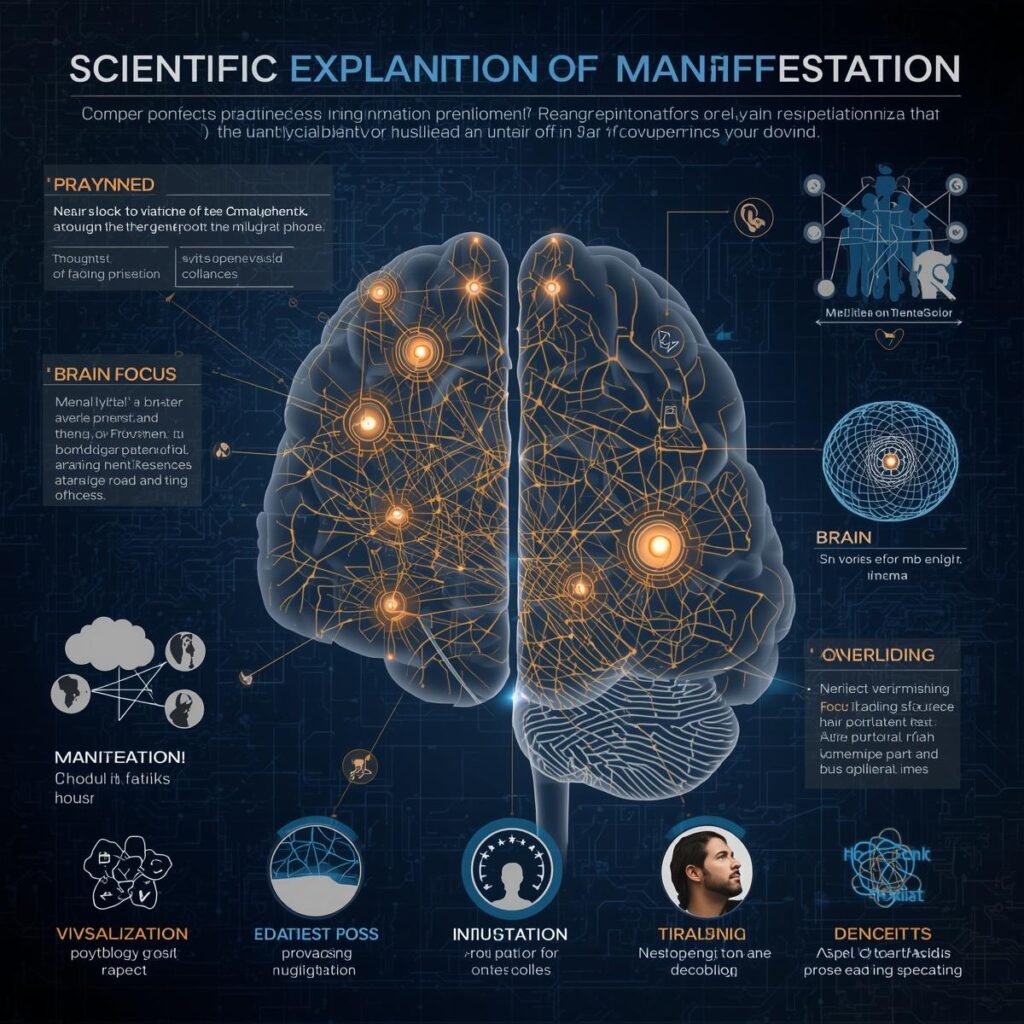

Manifestation is the process of bringing thoughts, goals, or desires into reality through focused intention and belief. While popular culture often simplifies it as “thinking something into existence,” the scientific perspective reveals a more complex mechanism involving the brain’s cognitive systems, emotional regulation, and behavioral conditioning.
At its core, manifestation works through three interconnected processes:
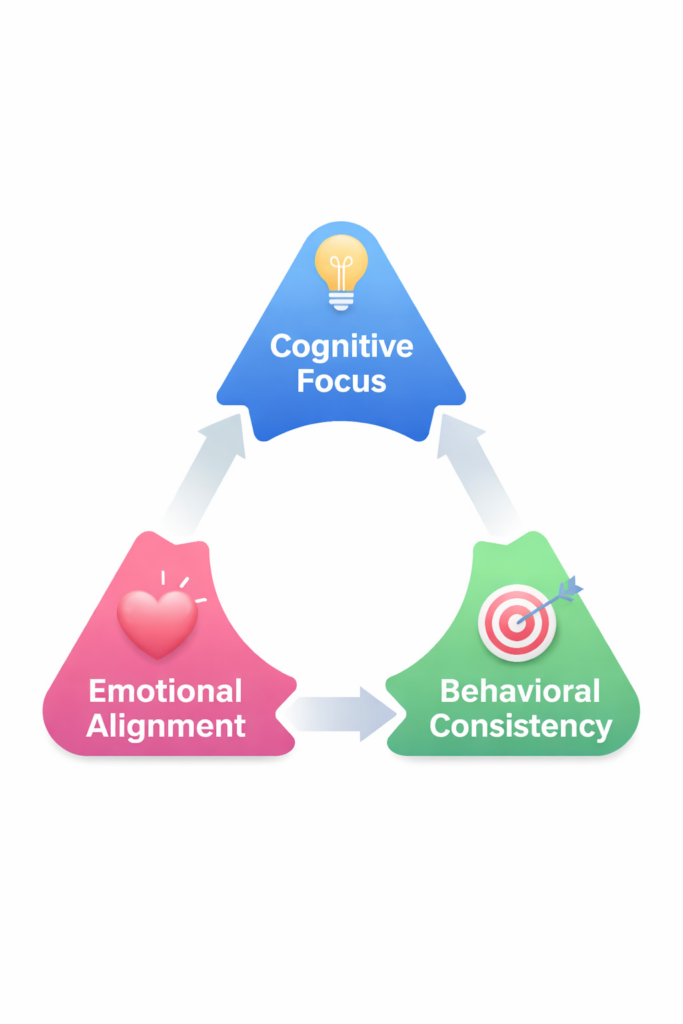
- Cognitive focus—directing mental energy toward specific goals.
- Emotional alignment—cultivating feelings that reinforce belief and motivation.
- Behavioral consistency—taking actions that align with desired outcomes.
The Neuroscience of Manifestation
1. The Reticular Activating System (RAS)
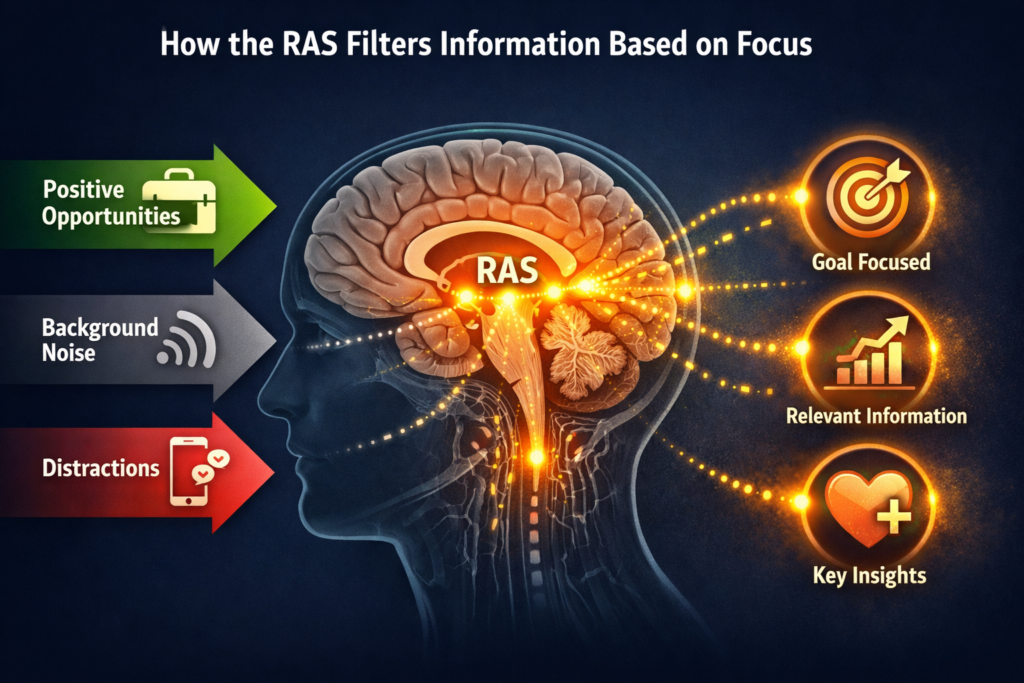
The Reticular Activating System (RAS) is a network of neurons in the brainstem that filters information. It determines what the brain pays attention to based on what is deemed important. When a person sets a clear intention—such as achieving a promotion or improving health—the RAS begins to prioritize information related to that goal.
For example, after deciding to buy a specific car model, that car suddenly appears everywhere. This isn’t coincidence; it’s the RAS filtering sensory input to highlight relevant data. Manifestation leverages this same mechanism—by focusing on a goal, the brain becomes attuned to opportunities that support it.
2. Neuroplasticity and Rewiring Beliefs
Neuroplasticity refers to the brain’s ability to reorganize itself by forming new neural connections.
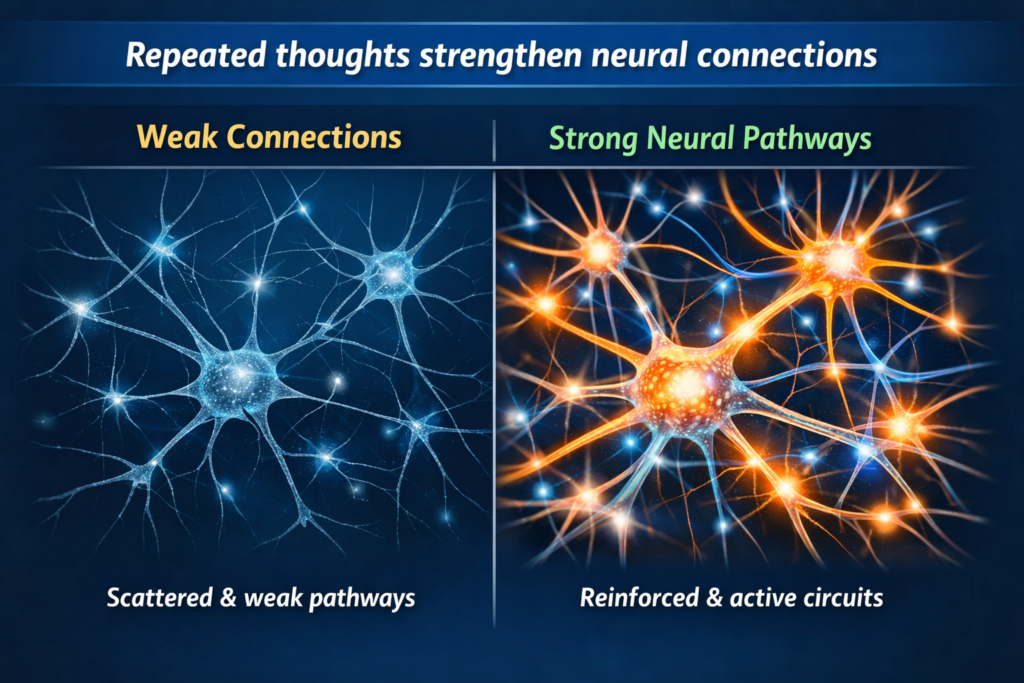
Repeated thoughts and emotions strengthen certain neural pathways, making them more dominant. When individuals visualize success or affirm positive beliefs, they are literally rewiring their brains to support those outcomes.
A study published in Nature Reviews Neuroscience (https://www.nature.com/nrn/) shows that consistent mental rehearsal activates the same neural circuits as physical practice. This means that visualizing a goal can prime the brain for real-world performance, enhancing confidence and readiness.
3. Dopamine and Motivation
Dopamine, the brain’s “reward chemical,” plays a crucial role in manifestation. When a person imagines achieving a goal, dopamine levels rise, creating feelings of anticipation and pleasure. This neurochemical response motivates continued effort and focus, reinforcing the manifestation process through positive feedback loops.
The Psychology of Manifestation
1. The Power of Belief and Expectancy Theory
Psychological research supports the idea that belief influences outcomes. According to Expectancy Theory, individuals are more likely to achieve goals they genuinely believe are attainable. This belief shapes behavior, persistence, and perception of opportunities.
The placebo effect is another example of belief-driven results. Patients who believe they are receiving effective treatment often experience real physiological improvements—even when given a placebo. Manifestation operates similarly: belief triggers mental and behavioral changes that lead to tangible results.
2. Cognitive Behavioral Conditioning
Manifestation also aligns with Cognitive Behavioral Therapy (CBT) principles. CBT teaches that thoughts influence emotions, which in turn drive actions. By consciously replacing negative thought patterns with empowering ones, individuals can shift their emotional state and behavior toward success.
For instance, affirmations like “I am capable of achieving my goals” can gradually replace self-doubt with confidence. Over time, this mental shift leads to more proactive decision-making and resilience.
3. Visualization and Mental Simulation
Visualization is a scientifically validated technique used by athletes, entrepreneurs, and performers. Studies from the Journal of Sports Science (https://www.tandfonline.com/toc/rjsp20/current) show that mental imagery enhances performance by activating the same brain regions involved in physical execution. When people visualize success vividly and repeatedly, their brains interpret it as real experience, strengthening neural pathways that support goal achievement.
The Quantum Perspective: Energy and Observation
While neuroscience and psychology explain much of manifestation, some theories extend into quantum physics. The observer effect in quantum mechanics suggests that observation can influence the behavior of particles. Though often misinterpreted, this concept metaphorically supports the idea that focused attention can shape reality.
Quantum theory emphasizes that everything in the universe is composed of energy vibrating at different frequencies. Thoughts and emotions, as forms of energy, may interact with these frequencies. While this remains a theoretical interpretation rather than proven fact, it aligns with the notion that focused intention can influence outcomes on subtle energetic levels.
How to Apply Scientific Manifestation Principles
1. Set Clear, Specific Intentions
The brain needs clarity to activate the RAS effectively. Define goals in measurable terms—such as “increase monthly income by 20%” instead of “become wealthy.”
2. Visualize Daily
Spend a few minutes each day visualizing the desired outcome in detail. Engage all senses—see, hear, and feel the experience as if it’s already happening.
3. Use Affirmations Strategically
Affirmations should be believable and emotionally resonant. Repetition strengthens neural pathways, gradually shifting subconscious beliefs.
4. Take Aligned Action
Manifestation is not passive. Consistent action bridges the gap between intention and reality. Each step reinforces belief and signals the brain to continue seeking opportunities.
5. Practice Gratitude
Gratitude activates the brain’s reward system, increasing dopamine and serotonin levels. This positive emotional state enhances focus and motivation, accelerating manifestation.
Common Misconceptions About Manifestation
- It’s not instant magic. Manifestation requires time, consistency, and aligned effort.
- It doesn’t ignore reality. Scientific manifestation integrates mindset with practical action.
- It’s not purely spiritual. While rooted in ancient philosophy, its mechanisms are supported by modern psychology and neuroscience.
Real-World Examples of Manifestation in Action
- Athletes use visualization to improve performance, mentally rehearsing success before competition.
- Entrepreneurs employ goal-setting and affirmations to maintain focus and resilience.
- Students use manifestation techniques to enhance confidence and academic performance.
These examples demonstrate that manifestation is not about wishful thinking—it’s about training the mind to perceive, believe, and act in alignment with desired outcomes.
Conclusion: The Science of Thought Becoming Reality
Manifestation, when viewed through a scientific lens, is a process of cognitive focus, emotional regulation, and behavioral alignment. The brain’s filtering systems, neuroplasticity, and motivational chemistry all contribute to turning thoughts into tangible results. While quantum theories add a layer of intrigue, the most practical understanding lies in how the mind shapes perception and action.
By combining neuroscience, psychology, and intentional practice, manifestation becomes a powerful tool for personal growth and achievement—rooted not in mysticism, but in measurable science.
External Resources for Further Reading:
- Nature Reviews Neuroscience: https://www.nature.com/nrn/
- Journal of Sports Science: https://www.tandfonline.com/toc/rjsp20/current
- American Psychological Association: https://www.apa.org/
- Harvard Health Publishing: https://www.health.harvard.edu/
Hi, this is a comment.
To get started with moderating, editing, and deleting comments, please visit the Comments screen in the dashboard.
Commenter avatars come from Gravatar.